Keep me updated!
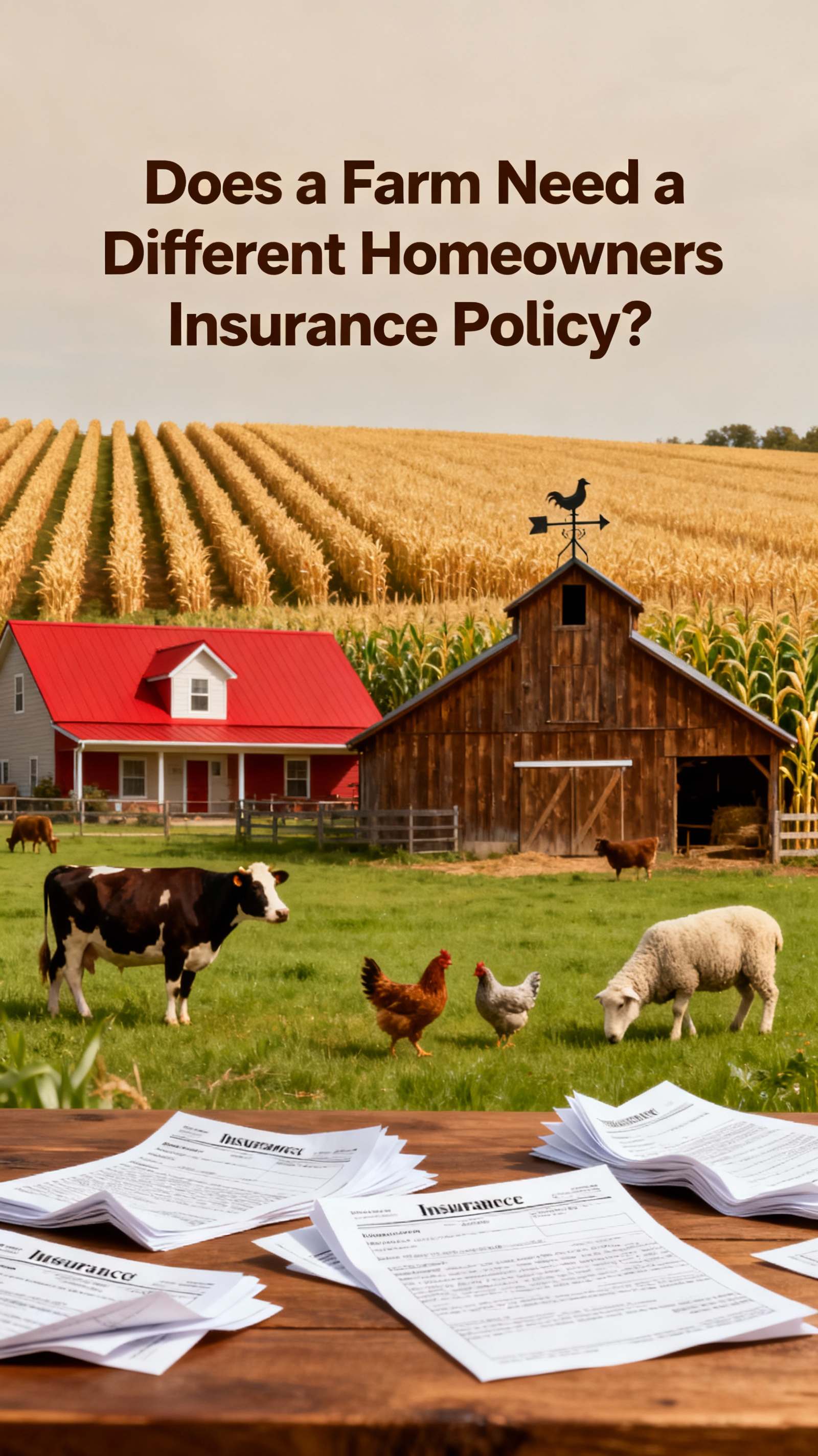
Life on a farm may look like traditional homeownership on the surface — a house, a roof, a place to call home — but the insurance needs of farm living are nowhere near “plain vanilla.” The presence of livestock, equipment and land-based hazards means a standard homeowners policy often isn’t the right fit. Here’s why farm life creates different risks and what homeowners in rural settings need to know.
How Farm Animals Change Your Risk Profile
Staying on a working farm in Montana might feel peaceful and familiar, but the insurance exposures are anything but typical. Even if the home itself looks like any other single-family house, livestock on the property dramatically changes the overall risk.
Horses, cows, donkeys, goats and even the sweetest farm dogs introduce unique hazards. While a donkey isn’t going to accidentally drop a smoldering joint behind the barn, other risks on a farm are very real:
- Hay is highly flammable
- Manure acts as a powerful fire accelerant
- Large animals can damage structures and fencing
- Livestock behavior can be unpredictable
These aren’t risks an insurer expects when rating a traditional suburban or urban home, so the policy needs to reflect those differences.
Liability Risks on the Farm Are Completely Different
Homeowners insurance also covers liability — your legal responsibility if someone gets hurt or something gets damaged. City dwellers may worry about the dog nipping a delivery driver. Farm owners? Their risks look very different.
Farm dogs may be friendly, but they’re also working animals trained to protect livestock and property. Geese can bite. Horses can kick. Even an experienced rider can be tossed when they least expect it. Goats may be small, but they’re curious and persistent creatures capable of surprising damage.
All of these increase liability exposure beyond what standard homeowners policies are designed to handle.
Why Standard Homeowners Policies Don’t Fit Farm Life
Traditional homeowners insurance assumes a predictable, lower-risk residential lifestyle. Farms break almost all those assumptions:
- More acreage
- More structures (barns, sheds, stables)
- More fire hazards
- More animals
- More people coming onto the property
- More ways someone can get hurt
Because of this, many insurers will not cover a property as a basic homeowner risk if it includes certain animals, a specific amount of land or farming operations — even small-scale ones. Others may apply exclusions you wouldn’t realize exist unless you ask.
Keep me updated!
Talk to Your Agent or Broker Before Trouble Finds You
Farm exposures vary widely, and assumptions can cost you big. That’s why the golden rule of insurance always applies:
Don’t assume. Ask.
Different insurers have different views:
- One may allow a horse or two.
- Another may exclude all livestock.
- One may require a farm or ranch policy once the land exceeds a certain acreage.
- Another may deny coverage entirely if non-domesticated animals are present.
Your agent or broker can confirm whether your home qualifies for a standard policy — or if you need something tailored for rural living.
The Good News: Farm Policies Exist for Exactly This Reason
If you’re living the good life under wide-open skies with horses, cows, goats or all of the above, you are not uninsurable. You simply need the
right tool for the right job — and in insurance terms, that means the right policy for the right exposure.
Farm policies are designed specifically for:
- Livestock
- Farm equipment
- Outbuildings and barns
- Unique fire hazards
- Farm-related liability risks
Whether you run a hobby farm or manage a full working operation, coverage options exist to protect the home and lifestyle you’ve built.
So go ahead and enjoy the roosters at sunrise, the fresh air and the peaceful land — just make sure your insurance is as ready for farm life as you are.
Keep me updated!